

Window Treatment Costs & Pricing
Window treatment costs and pricing vary more than most homeowners expect, and not just because of brand or style. The number of windows, the material, whether the system is manual or motorized, and whether the work is interior or exterior all move the estimate in different directions. This guide breaks down what published national cost data actually shows for blinds, shades, shutters, window film, solar screens, and patio shades, so you have real numbers to plan around before you ever request a quote.
None of the numbers below reflect a specific quote from Colby Window Solutions. This is a general reference pulled from published industry cost data, meant to help you understand the market before narrowing down what fits your home.
What Actually Moves the Price
Two homes with the same number of windows can end up with very different estimates. The biggest factors are the same across almost every published cost guide: window size and count, material or fabric, custom versus ready-made sizing, manual versus motorized operation, and whether the installation is interior or exterior.
- Number and size of windows, doors, and large glass openings
- Material: vinyl and aluminum cost less than wood or premium fabrics
- Custom sizing versus standard, off-the-shelf dimensions
- Manual, cordless, or motorized operation
- Interior treatments versus exterior systems like solar screens or patio shades
- Removal and disposal of old blinds, shades, or film
- Specialty conditions: arches, patio doors, tall or hard-to-reach windows
Average Cost by Treatment Type
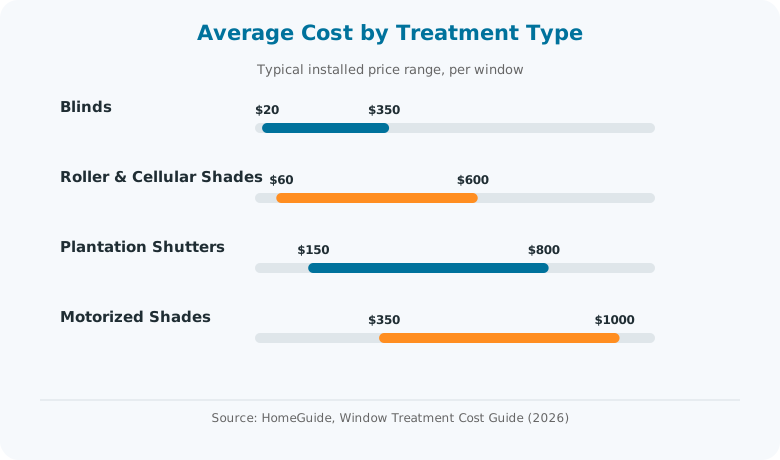
According to HomeGuide’s national cost data, installed window treatments typically run $30 to $600 per window overall, but that range splits out very differently by category. Blinds sit at the more affordable end, plantation shutters and motorized shades sit at the premium end, and roller shades and cellular shades land in between depending on fabric quality.
These are national averages, not a quote. Fabric, finish, size, and installation complexity all shift the final number for a specific project.
Blinds and Shutters: Where the Budget Bends
Blinds are usually the most budget-friendly way to cover multiple windows, especially in vinyl, faux wood, or aluminum. Real wood and specialty finishes push the price up considerably. Shutters cost more up front because they function as a permanent architectural feature rather than a removable covering, but that’s also why they tend to hold their value and appearance longer.
If you’re weighing the two directly, our blinds and shutters comparison covers how each one fits different rooms, beyond just the price tag.
Window Film Cost by Type
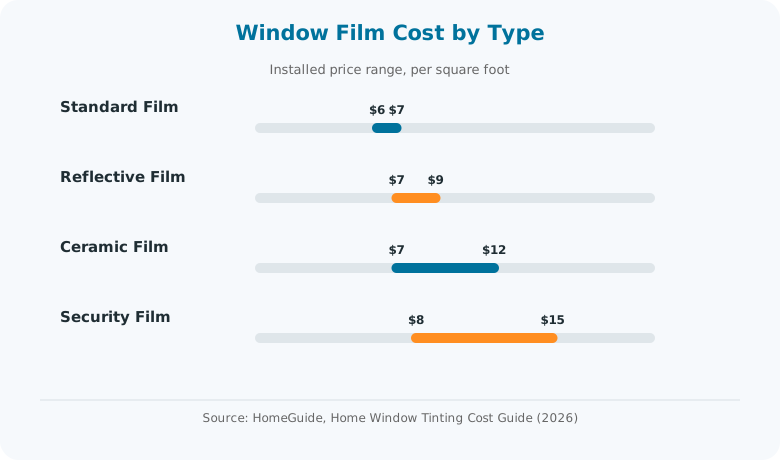
Window film and home window tinting are priced by square foot rather than by window, since the amount of glass drives both material and labor. Angi’s cost data shows a meaningful spread depending on the film’s job: standard films for basic privacy and light glare reduction sit at the low end, while ceramic and security films cost more because of the added performance and durability.
For a full breakdown of where film fits versus other sun control options, see our window film overview.
Exterior Options: Solar Screens and Patio Shades
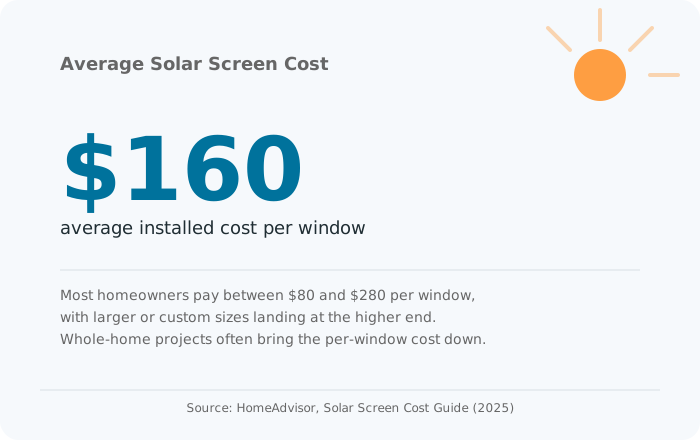
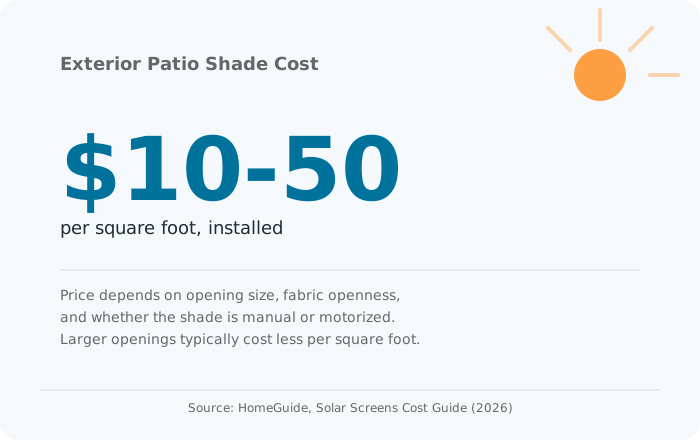
Exterior systems are priced differently than interior treatments because they’re built for outdoor exposure and typically involve more hardware. Solar screens, which mount over individual windows, are usually priced per window. Patio shades, which cover larger openings like a covered patio or pergola, are typically priced per square foot instead, since the openings vary so much in size.
Our solar screens overview covers openness factor and color, the two variables that most affect performance and, indirectly, price. Our patio shades overview covers manual, motorized, retractable, and fixed-panel options in more detail.
What Motorization Actually Adds to the Price
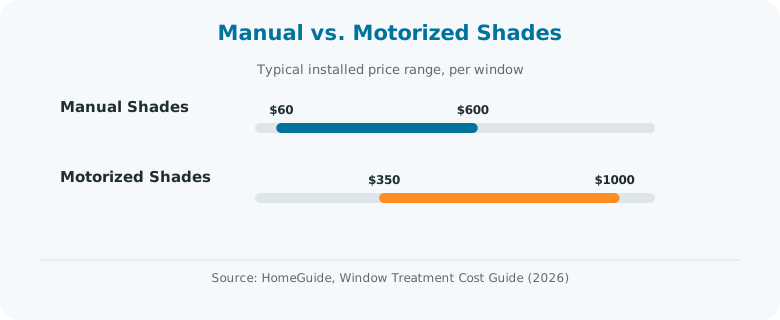
Automation is consistently one of the biggest single line items on a window treatment estimate. Comparing standard shades against motorized versions of the same general category, HomeGuide’s data shows motorized options roughly doubling the top end of the price range, largely due to motors, controls, and the labor involved in programming and wiring or battery setup.
Whether that premium is worth it usually comes down to how often the treatment gets used and how hard it is to reach by hand. Our smart shades overview goes into where that automation tends to pay off.
Full Cost Comparison at a Glance
Here’s how the major categories stack up side by side.
| Treatment Type | Typical Price Range | How It’s Priced | Best For |
|---|---|---|---|
| Blinds | $20 to $350 | Per window | Everyday privacy, budget-conscious upgrades |
| Roller and Cellular Shades | $60 to $600 | Per window | Clean look, light filtering, room darkening |
| Plantation Shutters | $150 to $800 | Per window | Long-term style, architectural finish |
| Motorized Shades | $350 to $1,000 | Per window | Tall, wide, or hard-to-reach windows |
| Window Film | $6 to $15 | Per square foot | Heat, glare, and UV control on existing glass |
| Solar Screens | $80 to $280 | Per window | Exterior heat and glare control |
| Patio Shades | $10 to $50 | Per square foot | Covered patios, pergolas, outdoor living spaces |
Building a Practical Budget, Room by Room
A single blanket budget rarely makes sense because every room doesn’t have the same problem. A budget built around the actual use of each space avoids overspending where it isn’t needed and leaves room for the windows that genuinely need better performance.
It also helps to think in terms of layers rather than a single treatment per window. A room with intense afternoon sun might do better with an exterior solar screen and a lighter interior shade than one expensive interior option trying to do the whole job alone. Splitting the budget across a lower-cost exterior layer and a simpler interior finish can sometimes outperform a single premium option at a similar total price.
- Bedrooms usually need privacy and room darkening more than automation
- West and south-facing rooms benefit most from heat and glare control
- Home offices often justify glare reduction over basic privacy
- Patio doors and outdoor openings usually call for exterior systems
- High-traffic rooms benefit more from motorization than occasional-use rooms
- Large, single-focal windows often justify a higher per-window budget
Is Custom Worth the Higher Price?
Custom sizing costs more than off-the-shelf, but the gap usually shows up in fit, appearance, and how long the treatment performs well. Ready-made products are built for a range of standard sizes rather than the exact opening, which is where gaps, uneven coverage, and premature wear tend to start. If cost is the main hesitation, our financing options can spread a larger project out over time instead of paying it all upfront.
| Custom Benefit | Why It Matters |
|---|---|
| Precise fit | Fewer gaps, straighter edges, more even coverage |
| Better performance | Heat, glare, and privacy control improve when the fit is correct |
| Wider material choice | More fabrics, finishes, openness levels, and control options available |
| Professional installation | Correct mounting helps the system operate smoothly and last longer |
Window Treatment Cost FAQs
Published national data puts installed window treatments at roughly $30 to $600 per window overall, though the exact number depends heavily on the category. Blinds sit toward the lower end, while shutters and motorized shades sit toward the higher end.
Usually, yes, especially in vinyl or aluminum. But premium roller or cellular shade fabrics can cost about the same as mid-range blinds, so the material matters more than the category name.
It depends on the comparison. Film is priced per square foot rather than per window, so a small window with film may cost less than the same window with shades, while a large glass wall can go the other way.
Based on published cost data, motorized shades roughly double the top end of the price range compared to manual versions of the same shade type, mainly due to motors, controls, and setup labor.
They’re priced differently, which makes direct comparison tricky. Solar screens are typically priced per window, while patio shades are priced per square foot because outdoor openings vary so much in size.
For most homeowners, yes. The price difference usually shows up in a cleaner fit, better performance, and a longer-lasting result compared to off-the-shelf sizing.
Get a Personalized Estimate
General pricing data is a useful starting point, but the only way to get a real number is a measurement of your actual windows. Still weighing which category fits your home? We install every type of window treatment, so we can walk you through all of them. Homeowners in the East Valley can see materials and finishes in person at the Mesa showroom, while the Florence office handles scheduling and consultations by phone and online for homeowners farther south.