

Best Window Treatments for Arizona Homes That Reduce Heat
At Colby Window Solutions, we help homeowners choose practical, attractive, and climate-smart window treatments for Arizona homes. From custom window treatments and blinds and shutters to roller shades, solar shades, smart shades, window film, home window tinting, and sun screens and patio shades, each solution plays a different role in controlling heat, glare, light, and privacy.
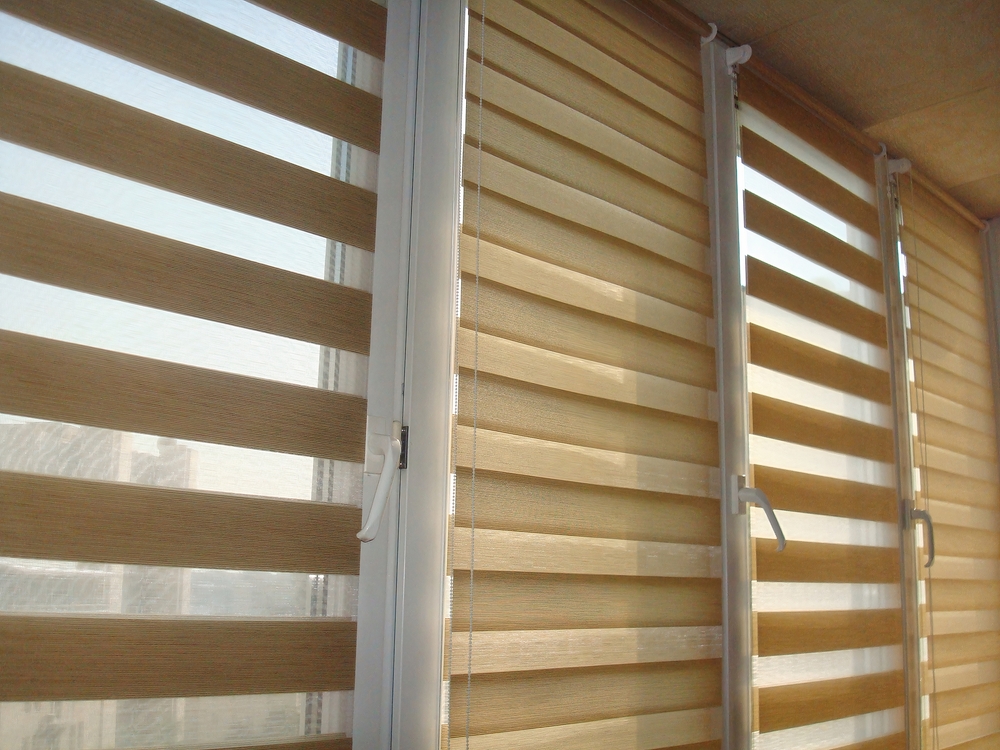
Why Arizona Homes Need Heat-Reducing Window Treatments
Windows are one of the biggest comfort challenges in desert homes. The U.S. Department of Energy reports that in cooling seasons, about 76% of sunlight that falls on standard double-pane windows enters and becomes heat. That means untreated glass can turn a bright living room, bedroom, office, or patio-facing space into one of the warmest areas of the home.
The best window coverings for heat work by doing one or more of the following:
- Blocking sunlight before it reaches the glass
- Reducing solar heat gain after light reaches the window
- Filtering glare while preserving natural light
- Improving privacy without fully closing off the room
- Protecting flooring, furniture, rugs, and artwork from UV exposure
- Making high-sun rooms more usable throughout the day
There is no single perfect product for every window. West-facing rooms, sliding doors, large picture windows, bedrooms, offices, and patios may all need different desert window solutions.
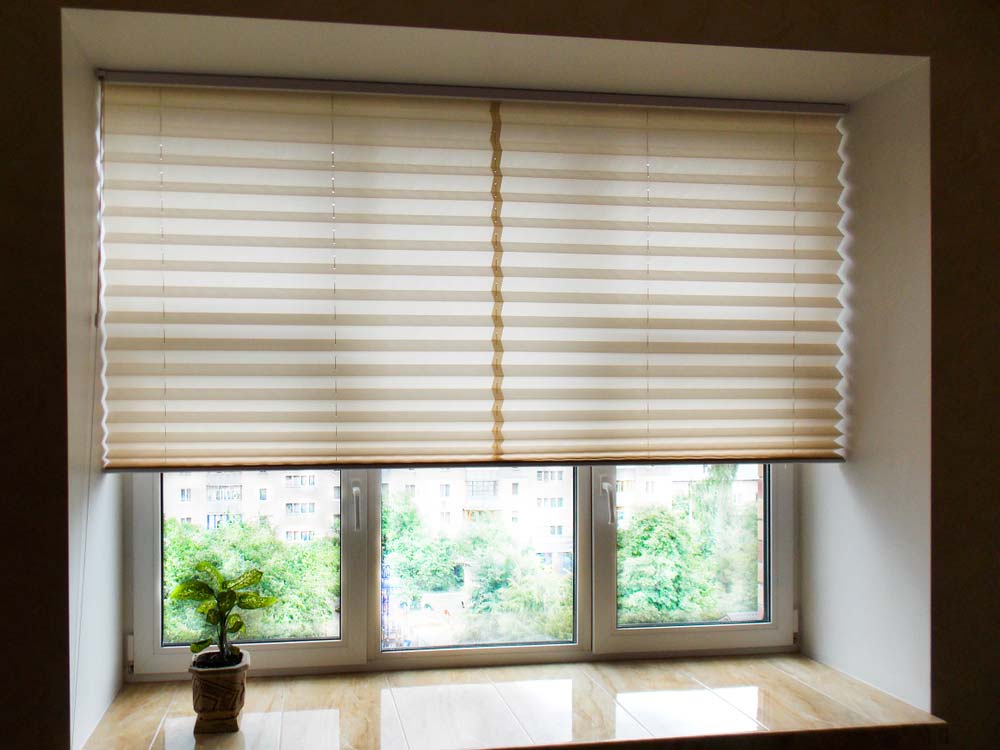
Quick Comparison: Blinds vs. Shades vs. Film vs. Patio Shades
| Option | Best For | Heat Reduction Potential | Privacy | View Preservation | Best Arizona Use |
|---|---|---|---|---|---|
| Blinds | Adjustable light and privacy | Moderate | High when closed | Moderate | Bedrooms, offices, living areas |
| Roller Shades | Clean light control and privacy | Moderate | Moderate to High | Varies by fabric | Living rooms, bedrooms, modern spaces |
| Solar Shades | Glare and sun filtering | Moderate to High | Daytime privacy | High with the right openness factor | Bright rooms, large windows, view windows |
| Cellular Shades | Insulation and heat control | Up to 60% unwanted solar heat reduction with tight fit | High | Low when closed | Bedrooms, rooms needing comfort and privacy |
| Window Film | Low-profile heat and glare control | Varies by film, SHGC, and glass | Moderate | High | Large glass, street-facing windows, offices |
| Home Window Tinting | Residential glass performance | Varies by tint and film type | Moderate | High | Sunny family rooms, bedrooms, glass doors |
| Sun Screens and Patio Shades | Exterior heat blocking | Often strongest because heat is blocked before glass | Moderate to High | Varies by mesh | Patios, west-facing windows, sliding doors |
Blinds: Flexible Control for Light, Glare, and Privacy
Blinds and shutters remain a practical choice for Arizona homeowners who want everyday control. Blinds let you tilt slats to redirect sunlight, reduce glare, and improve privacy without fully blocking the window. The DOE notes that louvered blinds are effective at reducing summer heat gain and glare, especially when reflective blinds are completely closed and lowered on sunny windows.
Blinds are a strong fit when you want:
- Adjustable privacy throughout the day
- A clean, familiar look
- Better glare control in bedrooms, offices, and living areas
- A practical option for standard windows
- A balance of value, appearance, and function
The main limitation is that blinds do not seal the window as tightly as some shades or exterior products. They help with brightness and comfort, but for the hottest west-facing windows, they may work best as part of a layered solution with film, screens, or patio shades.
Shades: A Strong Choice for Comfort and Style
Shades are one of the most versatile categories for Arizona homes. Roller shades offer a clean, streamlined look for light control and privacy. Solar shades are especially useful in bright rooms where homeowners want to reduce glare while keeping some outward visibility. Smart shades add convenience by making it easier to adjust window coverings during the hottest parts of the day.
Cellular shades are another strong heat-reducing option. According to the DOE, tightly installed cellular shades can reduce unwanted solar heat through windows by up to 60% in cooling seasons.
| Shade Type | Best Benefit | Heat Control Notes |
|---|---|---|
| Roller Shades | Simple privacy and light control | Best with heavier or room-darkening fabrics |
| Solar Shades | Glare reduction and filtered views | Lower openness factors usually block more sun |
| Cellular Shades | Insulation and comfort | Strong choice for bedrooms and hot rooms |
| Smart Shades | Convenience and consistency | Helps homeowners use shades more effectively throughout the day |
For many homes, solar shades are ideal in living rooms and view-facing spaces, while cellular or room-darkening shades work well in bedrooms.
Window Film and Home Window Tinting: Low-Profile Heat Control
Window film and home window tinting are excellent options when you want heat and glare control without adding a bulky window covering. Film is applied directly to the glass, which makes it a good fit for large windows, office glass, bright family rooms, and windows where you want to preserve a clean appearance.
The DOE explains that window films can help block solar heat gain, glare, and UV exposure, and are especially useful in climates with long cooling seasons. Window films are often evaluated by Solar Heat Gain Coefficient, or SHGC. The lower the SHGC, the better the film blocks heat gain.

- Reduced glare on screens and televisions
- Better daytime comfort
- UV protection for interiors
- A cleaner look than fabric coverings
- Heat control on hard-to-cover windows
Film does not provide the same adjustable privacy as blinds or shades, so it may be paired with interior treatments when privacy or room darkening is important.
Patio Shades and Sun Screens: Exterior Protection for Desert Heat
For raw heat reduction, exterior products often perform best because they stop sunlight before it reaches the glass. The DOE states that exterior shutters and shades are usually the most effective at reducing solar heat gain, and awnings can reduce summer solar heat gain by up to 65% on south-facing windows and 77% on west-facing windows.
Sun screens and patio shades are especially useful in Arizona because they improve both outdoor comfort and indoor comfort near patios, sliding doors, and exposed windows.
| Exterior Solution | Best For | Why It Works |
|---|---|---|
| Sun Screens | Exposed windows | Blocks the sun before it hits the glass |
| Patio Shades | Covered patios and outdoor living areas | Reduces glare, heat, and privacy issues |
| Exterior Roller Shades | Large openings | Adds flexible shade control |
| Motorized Patio Shades | Frequent daily use | Makes adjustment easier and more consistent |
For many homes, solar shades are ideal in living rooms and view-facing spaces, while cellular or room-darkening shades work well in bedrooms.
Which Window Treatment Is Best for Your Home?
| Goal | Best Options |
|---|---|
| Maximum heat reduction | Sun screens, patio shades, exterior shades, solar shades |
| Keep the view | Solar shades, window film, home window tinting |
| Improve bedroom comfort | Cellular shades, roller shades, blinds, shutters |
| Reduce glare | Solar shades, window film, blinds |
| Add privacy | Blinds, shutters, roller shades, cellular shades |
| Improve patio comfort | Patio shades, sun screens, motorized exterior shades |
| Modern convenience | Smart shades and motorized shades |
The best approach is often layered. For example, a west-facing living room may benefit from exterior sun screens plus interior solar shades. A bedroom may need a room-darkening roller shade or cellular shade. A patio door may perform best with patio shades outside and a clean interior shade inside.
FAQs
What are the best window treatments in Arizona for reducing heat?
The best choices are usually exterior sun screens, patio shades, solar shades, cellular shades, and window film. Exterior products often reduce heat most effectively because they block sunlight before it reaches the glass.
Are blinds or shades better for the Arizona heat?
Shades are usually better for heat reduction, especially solar shades and cellular shades. Blinds are better when you want flexible privacy and light adjustment.
Does window film really reduce heat?
Yes. Window film can reduce solar heat gain, glare, and UV exposure. Performance depends on the film type, glass type, window direction, and SHGC rating.
Do patio shades help keep the inside of a home cooler?
Yes. Patio shades can reduce direct sun on nearby glass doors and windows, which can make adjacent interior rooms more comfortable.
What are the best window coverings for heat on west-facing windows?
West-facing windows usually need stronger protection, such as sun screens, patio shades, solar shades, window film, or a layered combination.
Can smart shades help reduce heat?
Yes. Smart shades make it easier to close or adjust coverings during peak sun hours, which can improve comfort and consistency.
Call Colby Window Solutions for Heat-Reducing Window Treatments
If your Arizona home feels too hot, too bright, or uncomfortable during peak sun hours, Colby Window Solutions can help you compare the right products for each room. Explore our full window treatments, blinds and shutters, roller shades, solar shades, smart shades, window film, home window tinting, and sun screens and patio shades to find the best fit for your home.
Contact us today to schedule your consultation and choose window treatments built for Arizona heat, glare, privacy, and everyday comfort.