


Cordless blinds for child safety are widely considered the safest option for homes with young children because they eliminate one of the biggest hazards found in traditional window coverings—exposed cords. For parents evaluating every detail of their home for safety, window treatments are often overlooked, yet corded blinds have long been associated with serious risks. Choosing blinds and shutters with cordless operation is one of the simplest ways to reduce that risk while improving both functionality and appearance.
The short answer is yes—cordless blinds are the safest standard option available today. But understanding why they are safer, how they compare to other options, and what to look for when choosing them will help you make a more confident decision for your home.
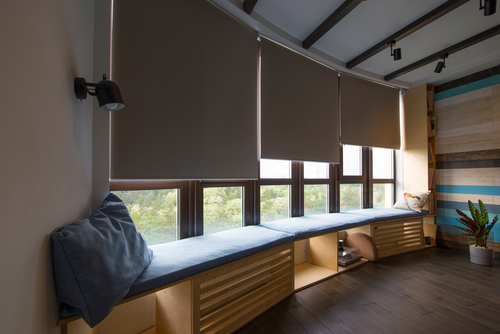
Why Corded Blinds Are a Safety Risk
Traditional blinds use cords to raise, lower, or tilt the slats. These cords can form loops or hang within reach, which creates a serious hazard for infants and young children. Even when safety devices are installed, cords can still become accessible or misused.
The U.S. Consumer Product Safety Commission has identified window covering cords as one of the top hidden hazards in homes with children and strongly recommends cordless products as the safest alternative. You can review their guidance here: window covering safety recommendations.
The issue is simple: cords create something a child can grab, pull, or become entangled in. Removing the cord removes the hazard.
Why Cordless Blinds Are Considered the Safest Option
Cordless blinds eliminate exposed cords entirely, which directly removes the primary safety concern. Instead of relying on pull cords, they operate using internal mechanisms or by lifting and lowering the bottom rail.
Key safety advantages include:
- No dangling cords or loops
- No need for cord cleats or tension devices
- No reliance on perfect daily safety habits
- Reduced risk in every room, not just nurseries
Because the hazard is removed rather than managed, cordless blinds are the preferred recommendation for families with children. This is why many modern products and updated safety standards have shifted toward cordless designs as the default.
Cordless vs Corded Blinds: What’s the Real Difference?
From a safety perspective, the difference is not small—it is fundamental.
- Safety: Cordless blinds remove the hazard completely, while corded blinds attempt to reduce risk
- Ease of use: Cordless systems are simpler and more intuitive
- Maintenance: No cords to tangle, fray, or break
- Appearance: Cleaner, more modern look without visible hardware
While corded blinds still exist, they are increasingly being phased out or replaced with safer alternatives. For homes with children, cordless is not just a preference—it is the better standard.
Are Motorized Blinds Even Safer?
Motorized blinds take safety one step further by removing manual operation entirely. Instead of lifting or adjusting the blind by hand, they are controlled by remote, wall switch, or smart system.
For families, this offers additional advantages:
- No cords and no manual operation required
- Less temptation for children to interact with the blinds
- Consistent positioning without daily adjustment
- Integration with smart home systems for convenience
Motorized options available through window treatments are often considered the highest level of safety and convenience, especially in rooms where blinds are used frequently.
What Types of Cordless Blinds Are Available?
Cordless operation is not limited to one style. Most modern window coverings now offer cordless versions, making it easy to prioritize safety without sacrificing design.
Common cordless options include:
- Cellular (honeycomb) shades for insulation
- Roller shades for a clean, modern look
- Roman shades for a softer, more decorative feel
- Faux wood or wood blinds with cordless lift systems
If you are also considering light control or heat reduction, options like solar shades can also be configured with cordless or motorized operation.
Do Cordless Blinds Have Any Downsides?
For most homeowners, the benefits outweigh the drawbacks, but there are a few things to be aware of.
- Some cordless systems may require two hands to adjust evenly
- Very large or heavy blinds may benefit from motorization instead
- Lower-end cordless mechanisms can wear out faster than premium systems
These are typically minor compared to the safety improvements. Choosing a quality product and proper installation helps avoid most performance issues.
Where Should You Use Cordless Blinds?
If safety is the goal, the answer is simple—everywhere. Many parents initially focus on nurseries and bedrooms, but children move throughout the home, and risks are not limited to one room.
Best practice is to install cordless blinds in:
- Bedrooms and nurseries
- Living rooms and play areas
- Any room with low or accessible windows
- Homes where children visit regularly, including grandparents’ homes
Using cordless blinds throughout the home ensures consistency and removes the need to manage risk room by room.
Are Cordless Blinds Required by Law?
While not universally required in all existing homes, safety regulations and industry standards have increasingly pushed manufacturers toward cordless designs. Many new products are now sold without accessible cords by default.
For homeowners, this shift reflects a broader move toward eliminating preventable risks rather than relying on user behavior to manage them.
Are Cordless Blinds Worth It?
For families with children, the answer is straightforward—yes. Cordless blinds remove a known hazard, simplify operation, and provide a cleaner look. Even in homes without children, they offer practical advantages that make them a better long-term choice.
When you factor in safety, usability, and modern design, cordless blinds are not just a safer option—they are the current standard for well-designed window coverings.
Upgrade to Safer Window Coverings
If you are considering safer window treatments, Colby Window Solutions offers a range of cordless and motorized options designed for both safety and performance. From simple cordless blinds to advanced automated systems, we help homeowners choose solutions that fit their space, style, and daily use.
To explore child-safe window covering options or get a quote, contact Colby Window Solutions for a consultation and see which cordless or motorized solutions work best for your home.