


Best window treatments to reduce heat in Arizona homes are the ones that do more than soften light or improve privacy. In a climate where intense sun and long cooling seasons put constant pressure on your home, the right solution needs to block solar heat, reduce glare, protect interiors, and help rooms stay more comfortable throughout the day. In many Arizona homes, windows are one of the biggest sources of unwanted heat gain, which is why the right combination of solar shades, window film, or sun screens and patio shades can make such a noticeable difference.
If your goal is to keep west-facing rooms cooler, reduce strain on your air conditioning, and protect furniture and flooring from sun damage, it helps to understand which products perform best and why. Some treatments stop heat before it reaches the glass, while others help manage glare, insulation, and interior comfort after sunlight has already entered. The strongest choice depends on your window exposure, the kind of glass you have, and how much visibility, privacy, and light control you want to keep.
Why Arizona Homes Gain So Much Heat Through Windows
In hot climates, windows are often the weakest point in the building envelope when it comes to solar heat gain. Glass allows visible light into the home, but it also lets in infrared energy that raises indoor temperatures. Once sunlight passes through the glass, it turns into trapped heat, creating the greenhouse effect that makes certain rooms feel warmer than the rest of the house.
This is especially noticeable in Arizona homes with large picture windows, sliding glass doors, and west or south-facing exposures. Even energy-efficient windows do not eliminate solar heat gain on their own. That is why window coverings and glass treatments play such a major role in improving comfort. They add another layer of performance where it matters most.
Most unwanted heat enters through windows in three ways:
- Solar radiation from direct sunlight
- Heat transfer through the glass itself
- Air leakage around older or less efficient window assemblies
In desert conditions, solar radiation is usually the biggest issue. That is why the best-performing products are the ones designed to reflect, reject, or block sunlight before it turns into indoor heat.
What Window Treatments Reduce Heat the Most?
The most effective heat-reducing window treatments are the ones built for performance rather than decoration alone. In general, the top choices include exterior-mounted solutions that stop sun before it reaches the glass, along with high-performing interior products that reduce glare, UV exposure, and residual heat gain.
The best options for Arizona homes usually include:
- Exterior sun screens
- Outdoor patio and roller shades
- Solar shades with low openness factors
- Reflective or high-performance window film
- Cellular shades with insulating pockets
- Shutters with tight light control and solid coverage
Not every home needs the exact same answer. A west-facing living room with expansive glass may need exterior shading first, while a bedroom may benefit more from interior shades that improve light control and privacy. The strongest results usually come from matching the product to the exposure instead of assuming one treatment works best everywhere.
Exterior Treatments Usually Win for Raw Heat Reduction
When the goal is maximum heat rejection, exterior-mounted products usually have the advantage. That is because they intercept solar energy before it hits the glass. Once sun reaches the window and starts heating the pane, some of that heat is already on its way indoors. Exterior treatments stop the problem earlier in the process.
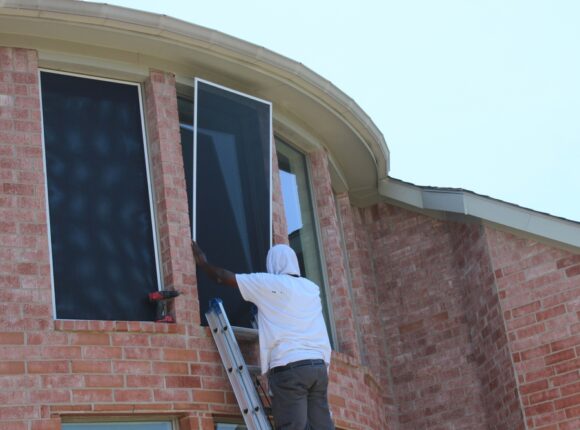
This is why sun screens and patio shades are such a strong choice in Arizona. They can block a large percentage of solar radiation before it ever enters the home, which helps reduce room temperature, glare, and cooling demand. They are especially useful on west-facing windows that get hit with intense afternoon sun. The U.S. Department of Energy also highlights the value of energy-efficient window attachments for improving comfort and reducing heat gain.
Exterior solutions are often best for:
- Homes with large exposed windows
- Rooms that stay hotter than the rest of the house
- Patio doors and wide glass openings
- South and west-facing elevations
- Homeowners who want strong daytime heat control without heavy interior coverings
They also help preserve views better than many people expect. Depending on the screen density and color selected, you can still maintain outward visibility while cutting down on brightness and heat.
Why Sun Screens Work So Well in Arizona
Sun screens are one of the most effective passive cooling tools for desert homes because they are positioned outside the window. Instead of waiting until heat comes through the glass, they block a substantial portion of solar energy at the outer layer of the opening. That changes the performance of the entire window.
For many homeowners, the advantages of sun screens include:
- Reduced solar heat gain during peak daylight hours
- Better comfort in rooms with harsh afternoon sun
- Lower glare without fully darkening the room
- Protection against UV-related fading
- Less strain on the HVAC system during hot months
If your house has windows that feel like heat lamps in the afternoon, exterior screening is often one of the first places worth looking.
Solar Shades Are One of the Best Interior Options
If you want heat control, glare reduction, and a clean modern look, solar shades are one of the strongest interior solutions available. They are designed to filter sunlight while still preserving some visibility to the outside, which makes them especially popular in living rooms, kitchens, and open-concept spaces.
The key performance factor with solar shades is openness. A lower openness factor means a tighter weave, which blocks more sunlight and reduces more heat. For example, a 1% openness fabric usually blocks more heat and glare than a 5% or 10% fabric. That does not mean the lowest openness is right for every room, but it does mean fabric choice matters far more than appearance alone.
Solar shades are a strong fit when you want:
- Reduced glare on TVs and screens
- Better daytime comfort without losing the view
- UV protection for flooring and furnishings
- A clean low-profile treatment for modern interiors
- Options for manual, motorized, or smart operation
For homes with scenic desert views, solar shades strike a nice balance between performance and visibility. They are not always the single strongest product for stopping heat compared to exterior systems, but they are often one of the most practical and visually flexible interior choices.
Window Film Is Excellent for Full-Glass Coverage
Window film is another high-value option for Arizona heat control, especially when you want to improve glass performance without changing the overall look of the room. Because it is applied directly to the glass, film works across the full pane and can reduce solar heat gain, UV exposure, and glare in a consistent way.
High-performance solar film can reject a large percentage of infrared heat while also blocking up to 99% of harmful UV rays. That makes it particularly useful in homes where preserving flooring, furniture, artwork, and interior finishes matters just as much as cooling performance.
Window film is often a smart choice for:
- Large windows with heavy sun exposure
- Homes that want heat reduction without fabric treatments
- Rooms with glare problems during the brightest parts of the day
- Homeowners who want to pair film with shades for layered protection
It also works well as part of a combined strategy. Film improves the glass itself, while an interior or exterior treatment adds another level of control. That layered approach can be especially useful on problem windows that stay hotter than the rest of the home.
Solar Shades vs Window Film
Homeowners often compare solar shades and window film because both help reduce heat and glare, but they do it in different ways. Solar shades give you flexibility, texture, and the option to raise or lower the treatment. Film stays on the glass at all times and provides full-pane coverage without changing the room’s layout.
In simple terms:
- Choose solar shades if you want adjustable light control, filtered views, and fabric options
- Choose window film if you want low-profile performance and consistent glass-wide heat rejection
- Use both if you want stronger layered protection on high-exposure windows
Neither choice is automatically better in every situation. The better answer depends on whether your priority is visibility, appearance, adjustability, privacy, or all-day heat management.
Cellular Shades and Shutters Still Have a Place
While solar shades, film, and exterior screens usually lead the conversation in Arizona heat control, other products can still be useful. Cellular shades are known for their honeycomb design, which traps air and helps slow heat transfer through the window. They are especially helpful in bedrooms or rooms where light control and insulation matter more than preserving the outdoor view.
Cellular shades are worth considering if you want:
- Better insulation in bedrooms and quieter spaces
- Room-darkening or blackout options
- A softer interior look with energy-saving benefits
- Extra comfort in rooms with moderate sun exposure
They are not usually the first choice for preserving views, but they can be one of the strongest options when insulation and sleep comfort matter more than openness.
Shutters can also perform well when they fit tightly and provide solid coverage. They are durable, timeless, and effective at managing light, but they typically function more as an interior barrier than a true solar rejection system. In other words, they can help, but they usually do not beat exterior shading when pure heat blocking is the priority.
Shutters are worth considering if you want:
- Stronger privacy and light-blocking indoors
- A more traditional or architectural interior look
- Long-term durability
- A complementary treatment in specific rooms
Material Choice Matters More Than Style
One of the biggest mistakes homeowners make is choosing a product based on appearance first and performance second. In Arizona, material choice matters more. The weave, density, backing, reflectivity, and placement of a treatment all affect how much heat it can actually manage.
Important performance factors to compare include:
- Openness factor for solar shades
- UV rejection rating
- Visible light transmission
- Reflective or heat-rejecting backing
- Exterior-grade durability for outdoor systems
- Suitability for west and south-facing exposures
A decorative woven shade may look attractive, but if it allows too much solar energy through, it will not do much for indoor comfort. A lower-openness solar shade, high-performing film, or properly selected exterior screen will usually outperform a treatment chosen mostly for style.
How to Choose the Best Option for Your Home
The right heat-reducing treatment depends on how your home is built and how the sun hits it throughout the day. A good recommendation should account for more than just the room type. It should look at orientation, window size, glass exposure, and how you actually use the space.
Start by considering these questions:
- Which rooms get the harshest afternoon sun?
- Do you want to preserve the outdoor view?
- Is privacy a top concern?
- Are you trying to reduce glare, lower temperatures, or both?
- Would a layered solution make sense for problem windows?
For many Arizona homeowners, the best answer is not one product across the entire house. It is a more intentional mix. For example, you might use exterior sun screens on the hottest exposures, solar shades in main living areas, and film on select windows that need additional protection. If you are comparing broader indoor options, our window treatments page is a good place to explore how different products fit different needs.
A Layered Approach Often Delivers the Best Results
Some of the strongest-performing homes use more than one strategy. Layering can produce better comfort because each product solves a different part of the heat problem. Exterior screens stop sun before it reaches the glass. Window film improves the glass itself. Solar shades help manage glare, visibility, and interior comfort inside the room.
This kind of combination can be especially effective for:
- Large west-facing great rooms
- Homes with oversized windows and sliding doors
- Rooms with valuable furnishings exposed to sunlight
- Households trying to balance comfort, design, and energy savings
If one room always feels hotter than the rest of the home, layering is often worth discussing instead of assuming a single product has to do everything.
Choosing Heat Control That Still Looks Good
Homeowners do not want a house that feels dark, closed off, or overly commercial. The good news is that strong heat protection does not mean sacrificing the look of your home. Modern products come in a wide range of colors, textures, openness levels, and operating styles, so it is possible to improve comfort without ending up with something bulky or outdated.
That is one reason professionally selected treatments outperform guesswork. A solution that looks good on a sample board may not be the one that performs best on a west-facing wall of glass in July. Getting both appearance and performance right takes matching the product to the actual exposure.
Ready to Make Your Arizona Home More Comfortable?
If your home deals with harsh sun, overheated rooms, and constant glare, the right window treatment can make a real difference. Since 2009, Colby Window Solutions has helped Arizona homeowners choose products that fit both the climate and the way they live. Whether you need solar shades, heat-rejecting film, exterior sun screens, or a more complete combination, the goal is the same: cooler interiors, better protection, and more comfortable everyday living.
To talk through the best options for your windows, contact Colby Window Solutions for a consultation and estimate. We can help you compare the products that make the most sense for your home, your sun exposure, and your comfort goals.