

Best Window Treatments for Arizona Homes
Best window treatments for Arizona homes are the products that reduce heat, control glare, protect interiors, and still match how each room is used. In Arizona, window coverings are not just a design choice. The right blinds, shades, shutters, window film, or exterior patio shades can make bright rooms more comfortable without making the home feel closed off.
Colby Window Solutions helps homeowners compare heat-reducing window treatments for bedrooms, living rooms, offices, patio doors, large glass, and sun-facing windows. For a full view of available options, start with custom window treatments in Arizona, then compare products such as solar shades for glare control, residential window film, and sun screens and patio shades.
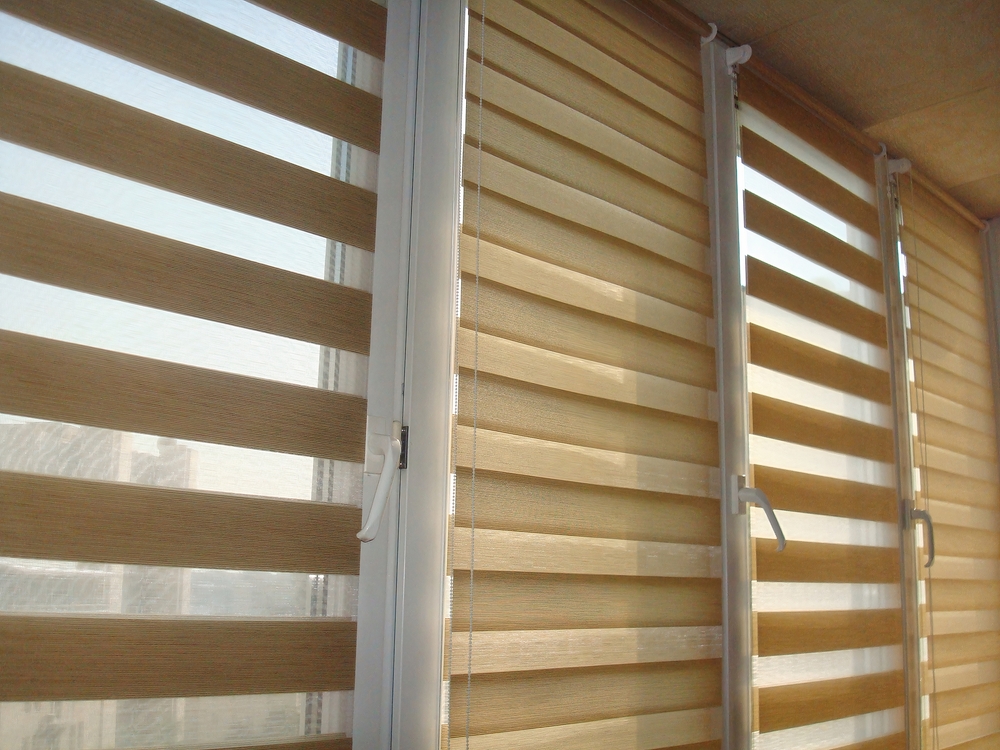
The best product depends on sun exposure, privacy needs, room use, and whether the heat should be controlled inside or outside the glass.
Why Arizona Homes Need Heat-Reducing Window Treatments
Arizona windows take a beating from intense sunlight, long cooling seasons, bright glare, and daily heat buildup. Untreated glass can make a room feel warmer, fade flooring and furniture, create screen glare, and reduce privacy. That is why the best solution is usually chosen by room, not by product name alone.
The U.S. Department of Energy explains that window coverings can help manage comfort, daylight, glare, privacy, and unwanted solar heat gain when selected and used correctly. For desert homes, this matters most on west-facing windows, south-facing windows, patio doors, large picture windows, and rooms used during peak afternoon sun.
Best Window Treatments for Arizona Homes That Reduce Heat
The best heat-reducing window treatments usually control sunlight in one of two ways. Interior products help manage light, glare, privacy, and comfort after sunlight reaches the window. Exterior products help block heat before it reaches the glass, which can be especially useful for patios, sliders, and exposed windows.
Best window treatments for Arizona homes by goal
- Choose custom solar shades when glare reduction and daytime views matter.
- Choose residential window film when you want low-profile heat and UV protection.
- Choose custom blinds and shutters when privacy and adjustable light control are the main goals.
- Choose roller shades for Arizona rooms when you want a clean look with fabric-based privacy and light control.
- Choose sun screens and patio shades when exterior heat control is the priority.
- Choose motorized smart shades when daily adjustment needs to be easier and more consistent.
A layered approach often works best. For example, a bright living room may use window film for low-profile heat control and solar shades for glare and privacy. A patio slider may need exterior patio shades first, then an interior shade for evening privacy.
Quick Comparison: Blinds, Shades, Film, and Patio Shades
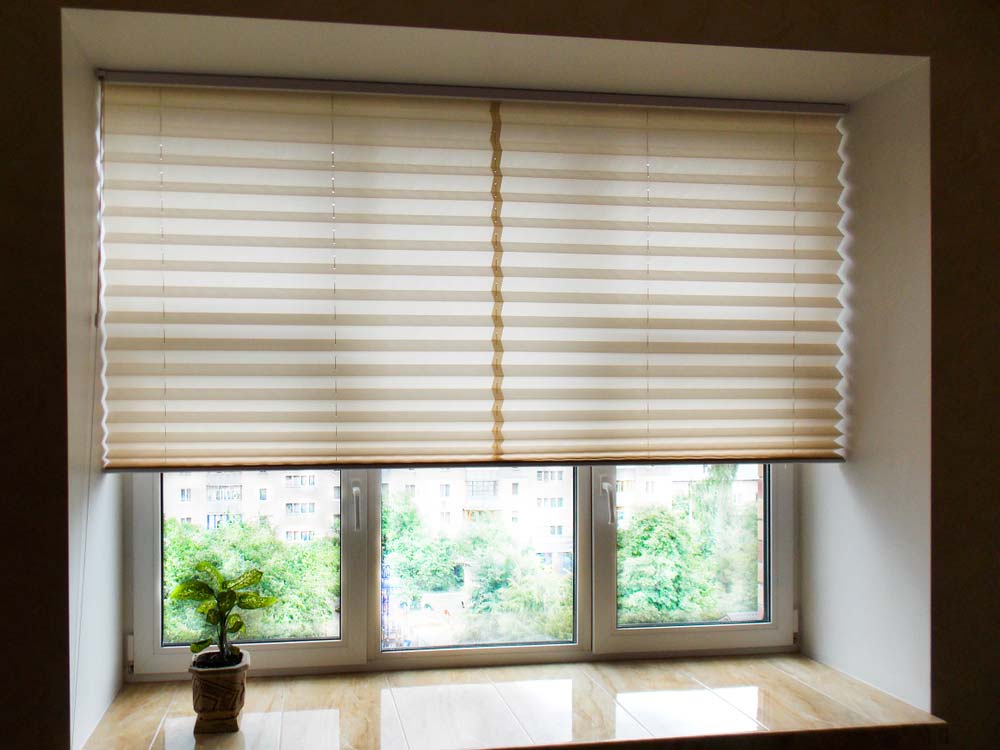
Every product has a different strength. Blinds give flexible control. Solar shades reduce glare while preserving more daytime visibility. Window film keeps the glass clean and low-profile. Patio shades and sun screens attack heat before it reaches the window. The right option depends on what each room needs to solve.
| Option | Best For | Heat Reduction Potential | Privacy | View Preservation | Best Arizona Use |
|---|---|---|---|---|---|
| Blinds | Adjustable light and privacy | Moderate | High when closed | Moderate | Bedrooms, offices, kitchens, and everyday rooms |
| Shutters | Structure, privacy, and long-term style | Moderate | High when closed | Low to moderate | Bedrooms, street-facing rooms, and finished living areas |
| Roller Shades | Clean light control and privacy | Moderate | Moderate to high | Varies by fabric | Living rooms, bedrooms, and modern spaces |
| Solar Shades | Glare reduction and filtered views | Moderate to high | Daytime privacy | High with the right openness factor | Bright rooms, large windows, and view windows |
| Cellular Shades | Insulation and comfort | High with a tight fit | High | Low when closed | Bedrooms and rooms needing comfort plus privacy |
| Window Film | Low-profile heat, glare, and UV control | Varies by film and glass | Moderate | High | Large glass, offices, family rooms, and street-facing windows |
| Sun Screens and Patio Shades | Exterior heat blocking | Often strongest | Moderate to high | Varies by mesh | Patios, sliding doors, west-facing windows, and outdoor living areas |
Blinds and Shutters for Light, Glare, and Privacy
Blinds and shutters remain a practical choice for homeowners who want flexible daily control. They let you redirect sunlight, reduce glare, add privacy, and keep a familiar finished look in bedrooms, offices, kitchens, and common areas. They are not always the strongest standalone heat-control product, but they are useful when the room needs privacy and adjustable light.
When blinds work well
- Rooms that need privacy at different times of day
- Home offices where screen glare changes by hour
- Bedrooms where simple light control is important
- Windows where tilt control is more useful than a fully lowered shade
When shutters make sense
- Rooms where a built-in look is important
- Street-facing windows that need stronger privacy
- Homes where long-term durability matters
- Spaces where style and function both matter
For homeowners comparing style and function, custom blinds and shutters for Arizona homes are a strong place to start. If budget is part of the decision, the Arizona window treatment cost guide can help set expectations before scheduling a measurement.
Solar Shades, Roller Shades, and Cellular Shades
Shades are one of the most versatile categories for Arizona homes. The best shade depends on whether the room needs view preservation, privacy, insulation, room darkening, or a clean modern appearance. Solar shades are often best for bright rooms and large windows. Roller shades are better when privacy and simple style matter. Cellular shades are useful when comfort and insulation are the priority.
| Shade Type | Best Benefit | Heat Control Notes |
|---|---|---|
| Roller Shades | Simple privacy and light control | Room-darkening and heavier fabrics can improve comfort in bright rooms. |
| Solar Shades | Glare reduction and filtered views | Lower openness factors usually block more sun and glare. |
| Cellular Shades | Insulation and comfort | Tightly installed cellular shades can significantly reduce unwanted solar heat in cooling seasons. |
| Smart Shades | Convenience and consistency | Automation helps shades close during peak sun hours without relying on memory. |
For many Arizona homes, solar shades for sun-facing windows work well in living rooms and view-facing spaces, while custom roller shades are a better fit for bedrooms, offices, and rooms that need a softer privacy solution.

Window Film and Home Window Tinting for Low-Profile Heat Control
Window film and home window tinting are excellent options when you want heat and glare control without adding a bulky fabric covering. Film is applied directly to the glass, which makes it useful for large windows, bright family rooms, home offices, sliding glass doors, and windows where a clean appearance matters.
Window film is a smart choice when you want:
- Reduced glare on TVs, computers, and bright work areas
- UV protection for flooring, furniture, rugs, artwork, and fabrics
- Better daytime comfort near large glass
- A cleaner appearance than heavy window coverings
- A solution that pairs well with blinds, shutters, or shades
Film does not provide the same adjustable privacy as blinds or shades, so it may be paired with interior treatments when privacy or room darkening is important. To compare options, review residential window film installation and home window tinting for Arizona sun control.
Patio Shades and Sun Screens for Exterior Heat Control
For raw heat reduction, exterior products often perform best because they stop sunlight before it reaches the glass. This is especially important for west-facing glass, sliding doors, outdoor seating areas, covered patios, and windows that receive direct afternoon sun. Exterior shade can also improve patio comfort while reducing the amount of heat hitting nearby interior rooms.
The U.S. Department of Energy notes that it is best to install exterior shades whenever possible in warm climates and recommends shading south and west-facing windows during the day. That is one reason custom patio shades and sun screens are often a strong fit for Arizona homes.
| Exterior Solution | Best For | Why It Works |
|---|---|---|
| Sun Screens | Exposed windows | They help block sunlight before it hits the glass. |
| Patio Shades | Covered patios and outdoor living areas | They reduce glare, heat, and privacy issues in outdoor spaces. |
| Exterior Roller Shades | Large openings | They add flexible shade control for patios, sliders, and glass walls. |
| Motorized Patio Shades | Frequent daily use | They make adjustment easier during peak sun hours. |
Which Window Treatment Is Best for Each Room?
The strongest choice depends on the room. A bedroom may need privacy and darkness. A living room may need glare control without losing the view. A patio door may need exterior protection first. A home office may need better screen visibility. Planning by room helps avoid overspending on products that do not solve the actual problem.
Bedrooms
Bedrooms usually need privacy, room darkening, and better temperature comfort. Blinds, shutters, cellular shades, and room-darkening roller shades are usually the best starting points.
Living Rooms
Living rooms often need glare control and view preservation. Solar shades, window film, and layered window treatments can keep the room more usable during bright hours.
Patio Doors
Sliding doors and patio-facing glass often need exterior protection. Patio shades, sun screens, and interior roller shades can work together for comfort and privacy.
Home Offices
Offices need screen glare control without making the room too dark. Solar shades, blinds, window film, and smart shades can all work depending on window direction.
Kitchens
Kitchens often need simple operation, privacy, and easy cleaning. Blinds, roller shades, and shutters are practical choices for many kitchen windows.
Large Glass
Large glass may need stronger sun control. Solar shades, window film, smart shades, and exterior screens are often better than basic coverings alone.
Smart Shades Help Arizona Homes Stay Consistent
Even the best shade only helps when it is used. Smart shades and motorized shades make it easier to adjust coverings throughout the day, especially on tall windows, large glass, hard-to-reach openings, and rooms that receive strong afternoon sun. Timed schedules can close shades during peak heat and reopen them later when the sun is less intense.
When smart shades are worth considering
- Large windows that are opened and closed often
- Tall or hard-to-reach windows
- Rooms that get intense sun during predictable hours
- Homes where convenience and consistency matter
- Patio doors, media rooms, offices, and primary bedrooms
Homeowners interested in automation can compare smart shades for Arizona homes with traditional roller shades and solar shades before choosing a system.
How to Choose the Right Heat-Reducing Window Treatment
Choosing a product gets easier when you start with the problem. Heat, glare, privacy, view preservation, UV exposure, and room darkening are different needs. One product may solve one issue well and another issue poorly. A good estimate should account for the window direction, size, room use, privacy needs, and whether the product should work inside or outside the home.
Identify the hottest rooms
Start with rooms that feel uncomfortable during afternoon sun, have large glass, or make the air conditioning work harder.
Decide whether the view matters
If you want to preserve an outdoor view, solar shades or window film may work better than opaque shades or closed blinds.
Match privacy to the room
Bedrooms, bathrooms, and street-facing windows usually need stronger privacy than living rooms or view-facing spaces.
Compare interior and exterior control
Interior treatments help with comfort and privacy. Exterior screens and patio shades can reduce heat before sunlight reaches the glass.
For local availability, review window treatment service areas in Arizona, including pages for window blinds and shades in Mesa, custom window treatments in Gilbert, window blinds and shades in Chandler, and custom blinds, shades, and shutters in Scottsdale.
Helpful Resources for Arizona Window Treatment Planning
Before choosing a product, it helps to compare comfort, cost, and room needs together. Use the custom window treatment services from Colby Window Solutions to review available options, then schedule a professional recommendation through the Arizona window treatment consultation form.
These related guides can also help you compare options before requesting an estimate: window treatment cost in Arizona, what window treatments reduce heat the most in hot climates, energy-saving window treatments for hot climates, and solar window film installation cost.
External resource: Learn more about heat control and window covering performance from the U.S. Department of Energy guide to energy-efficient window coverings.
Window Treatment FAQs for Arizona Homes
What are the best window treatments for Arizona homes?
The best window treatments for Arizona homes are usually solar shades, window film, cellular shades, sun screens, patio shades, blinds, shutters, and smart shades. The right choice depends on heat, glare, privacy, room use, and whether the window needs interior or exterior sun control.
What window treatments reduce heat the most?
Exterior products such as sun screens, patio shades, and exterior shades often provide the strongest heat control because they help block sunlight before it reaches the glass. Solar shades, cellular shades, and window film can also help reduce heat indoors.
Are blinds or shades better for Arizona heat?
Shades are usually better for heat reduction, especially solar shades and cellular shades. Blinds are better when you want flexible privacy, slat adjustment, and everyday light control.
Does window film help with Arizona heat?
Yes. Window film can help reduce solar heat gain, glare, and UV exposure. Performance depends on the film type, glass type, window direction, and installation quality.
Are patio shades good for west-facing windows and doors?
Yes. Patio shades and sun screens can be very useful on west-facing areas because they help reduce direct afternoon sun before it reaches nearby glass, patios, and interior rooms.
Can smart shades help keep a home cooler?
Smart shades can help by making daily adjustment more consistent. They can be scheduled to close during peak sun hours and reopen later, which helps manage glare and comfort.
Get Heat-Reducing Window Treatments for Your Arizona Home
If your home feels too hot, too bright, or uncomfortable during peak sun hours, Colby Window Solutions can help you compare the right products for each room. Our team works with blinds, shutters, roller shades, solar shades, smart shades, window film, home window tinting, sun screens, and patio shade solutions for Arizona homes.
Schedule a consultation to choose window treatments that match your heat-control goals, privacy needs, room style, and budget.