

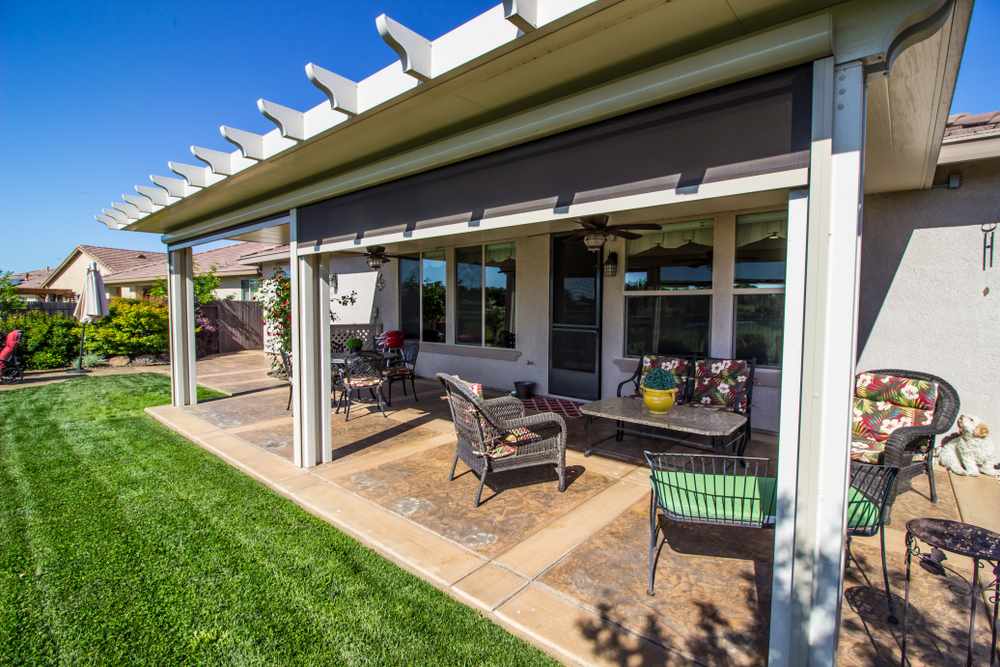
Outdoor patio shades in Arizona turn a patio that is too bright and too hot to enjoy into a space you can use for more of the day and more of the year. Direct sun, reflected heat, glare, and constant UV exposure make an unshaded patio uncomfortable fast, and they wear down cushions, furniture, rugs, and finishes along the way. The right shade system fixes the comfort problem while also adding privacy and protecting the doors and windows that open onto the space.
Homeowners usually want more than shade. They want a dining area that stays comfortable at dinnertime, a lounge area near the pool, privacy from neighboring homes, or glare control around large sliding doors. Some prefer a simple manual system, while others want the cleaner look and convenience of motorization. The best answer depends on your layout, your sun exposure, and how often the space gets used.
Why Outdoor Patio Shades Matter So Much in Arizona
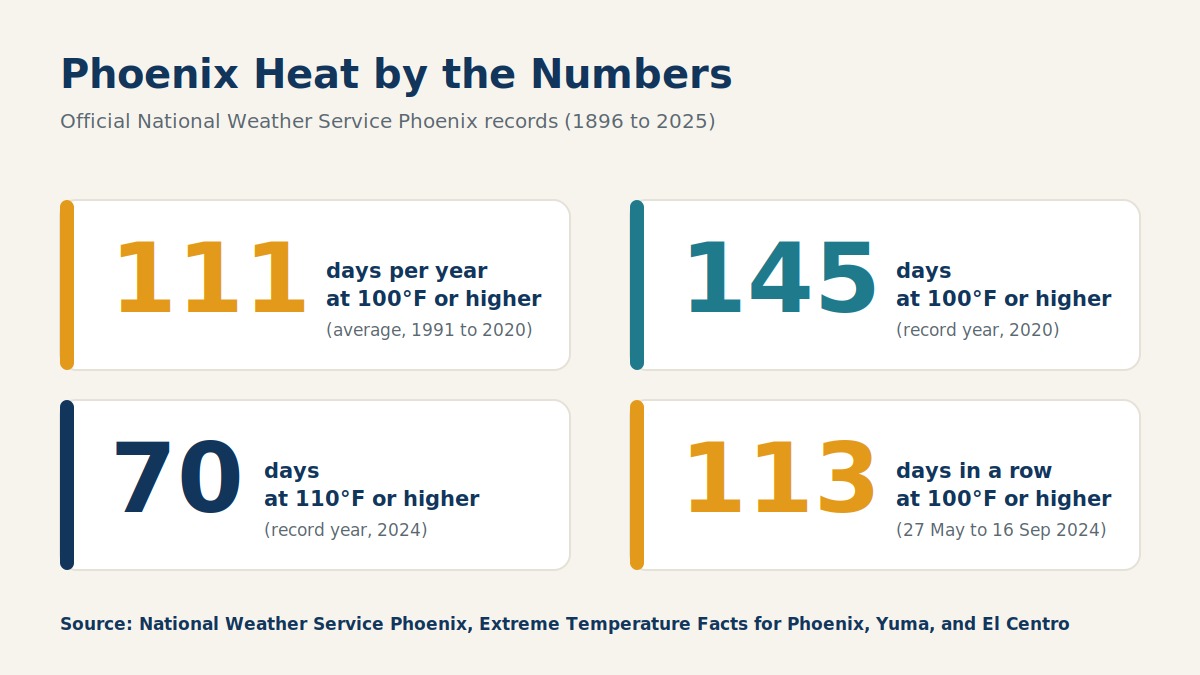
Arizona is made for outdoor living, but it is also one of the toughest climates for an uncovered patio. According to the National Weather Service, Phoenix averages 111 days per year at 100°F or higher, and the city has logged as many as 145 such days in a single year. Even a patio with a roof takes on low-angle afternoon sun, reflected heat from walls and paving, and glare that makes the space hard to use.
That is why patio shades work as a performance upgrade rather than a cosmetic add-on. Well-chosen outdoor patio shades can help with:
- Blocking harsh direct sunlight
- Reducing glare in seating and dining areas
- Improving privacy from nearby homes
- Helping adjacent interior rooms stay cooler
- Protecting furniture and décor from UV exposure
- Making patios, pergolas, porches, and entertaining areas usable for more hours
For homes with large patio doors or wide backyard windows, exterior shading also reduces the heat and brightness that reach the inside, so the benefit extends well beyond the patio itself. Our guidance on treatments suited to Arizona homes shows how exterior and interior layers work together.
What Are Outdoor Patio Shades?
Outdoor patio shades are exterior-mounted shade systems that provide light control, heat reduction, privacy, and UV protection in outdoor living areas. They are commonly installed on covered patios, pergolas, porches, balconies, and large openings that take direct sun during part of the day.
Most use performance fabrics that filter sunlight while still allowing airflow and some outward visibility. Depending on the fabric and its openness, the result can range from softly filtered light to dense screening. Some systems are operated by hand, and others are motorized for easier daily use. Because they can be raised when you want open views and lowered when the sun gets intense, they give you flexibility without permanently enclosing the space. We help homeowners across the Phoenix metro choose the right system for each exposure.
Types of Patio Shade Systems
Not every exterior shading product suits every patio. The right choice depends on the structure, the amount of sun exposure, and how integrated you want the finished look to be. Our exterior shade systems built for Arizona patios cover the most common options.
Exterior Roller Shades
Exterior roller shades are among the most popular choices because they are clean, flexible, and effective. They work well on patios, pergolas, and other framed openings where you want adjustable shade with a neat finished appearance. The fabric rolls into a compact housing, so the space opens up completely when you want full sun or an unobstructed view.
Choosing Outdoor Patio Shades for Pergolas, Porches, and Covered Patios
Each structure presents different constraints. A covered patio often needs shade on the open sides where the sun comes in low. A pergola has an open frame that may call for shading on its vertical faces or integrated shading across the top. A porch may need only a few well-placed panels for privacy and glare. Measuring the opening, noting the direction it faces, and thinking through how you use the space will point to the right system quickly.
Motorized vs Manual Patio Shades
The biggest decision for most homeowners is whether to choose a manual or motorized system. Both work. They simply serve different priorities.
| Factor | Manual patio shades | Motorized patio shades |
|---|---|---|
| Operation | Hand crank or pull system | Remote, wall control, or smart-home integration |
| Upfront investment | Lower | Higher |
| Best opening size | Smaller, lightly used patios | Wide or tall openings |
| Adjusting as the sun moves | Requires going to the shade each time | Immediate and effortless |
| Look | Functional | Clean and integrated |
| Best for | Occasional use and simple setups | Daily use and full outdoor living spaces |
Manual Patio Shades
Manual shades are the more budget-friendly entry point. They still deliver shade, privacy, and UV protection, but they require hand operation each time you adjust them. They are a good fit when you want a simpler setup, a lower upfront cost, or shade for a smaller area that sees less use.
Motorized Patio Shades
Motorized patio shades are the stronger long-term choice when the patio is used often. You can operate them with a remote, a wall control, or a connected system, which is especially helpful on large patios, tall openings, and spaces where the sun shifts quickly through the afternoon. They also pair naturally with other outdoor upgrades such as lighting, fans, heaters, and media areas, and our smart-home shade controls can tie them into the way you already run your home.
Motorization is worth serious consideration when:
- The opening is wide or tall
- You expect to adjust the shade several times a day
- You entertain outdoors or spend daytime hours outside
- You want a cleaner, more finished look
- You are building out a complete outdoor living area
The Department of Energy also notes that some awnings can be motorized for easy operation, which matters because shades only help when they are in the right position. Budget is part of the decision too, and our flexible payment options can make a motorized system easier to plan.
Key Benefits of Outdoor Patio Shades for Arizona Homes
Patio shades solve several problems at once, which is why they are such a practical upgrade in this climate.
Better Shade and Outdoor Comfort
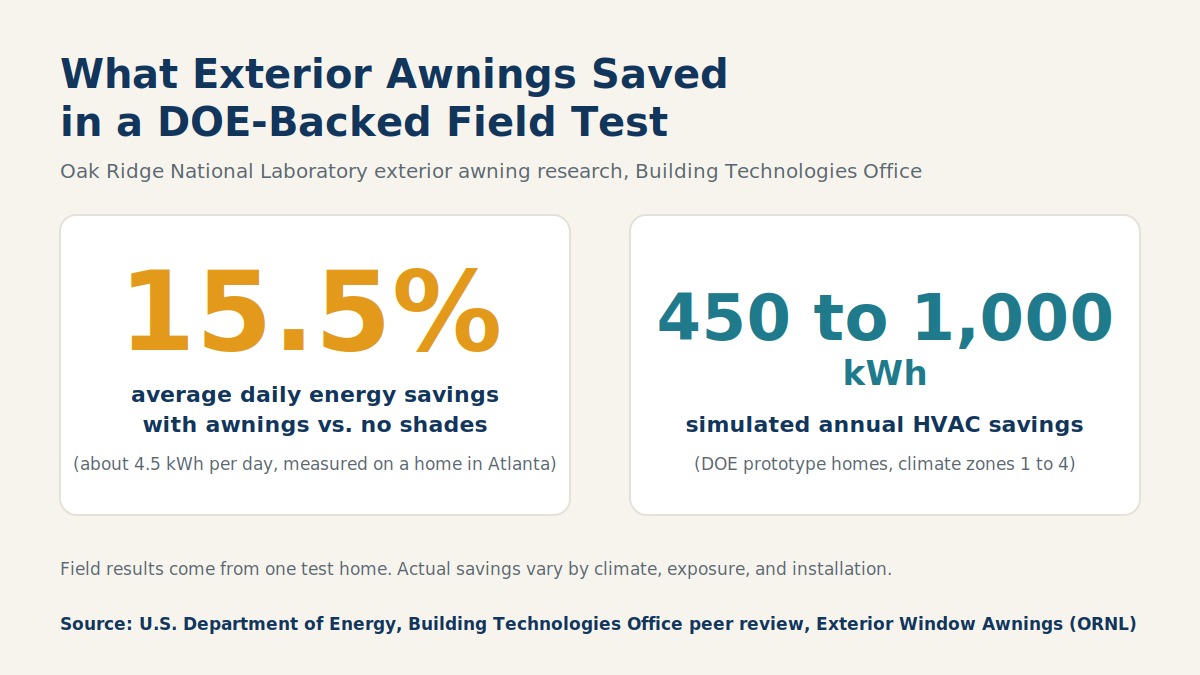
Strong sun can make a patio uncomfortable within minutes. Shades reduce direct exposure and create a space that works for eating, sitting, and relaxing during the brightest part of the day. Research supports the effect on the building as well. In a Department of Energy backed field test by Oak Ridge National Laboratory, exterior awnings on a home in Atlanta produced average daily energy savings of about 15.5% compared with no shades.
Reduced Glare
Glare can make a patio frustrating even when the temperature is tolerable. Shades cut that brightness so screens, books, and conversation are easier to enjoy, especially in the afternoon.
More Privacy
Depending on the fabric, patio shades create a more secluded area without making it feel closed in. That matters most in neighborhoods where homes sit close together or where a side yard faces a neighbor.
UV Protection
Constant sun exposure fades cushions, rugs, finishes, and nearby interior spaces. Shades reduce that exposure and help the area keep its look longer.
Cooler Adjacent Interior Spaces
The Department of Energy reports that about 76% of the sunlight that falls on standard double-pane windows enters as heat in cooling seasons, and that awnings can reduce solar heat gain by up to 65% on south-facing windows and up to 77% on west-facing windows, according to the U.S. Department of Energy. When patio shades block direct sun on nearby doors and windows, the rooms just inside feel more comfortable too.
Exterior shading works best as one layer of a broader plan alongside coordinating interior window treatments.
Materials and Fabrics That Work Best for Arizona Patios
Arizona conditions are harsh, so material selection matters. The fabric needs to perform well, but brackets, fasteners, roller components, and housings matter just as much. Look for:
- UV-resistant, fade-resistant fabric
- Exterior-grade hardware that handles heat, dust, and seasonal wind
- Smooth, reliable roller operation
- An openness level that matches your privacy and shade goals
- A system sized correctly for the opening and exposure
The Department of Energy advises choosing an opaque, tightly woven fabric in a light color for awnings, because light colors reflect more sunlight, and it notes that larger openings in the fabric reduce protection from solar gain. Color changes the feel under the patio as well. Darker fabrics tend to preserve the outward view, while lighter fabrics reflect more light and feel brighter.
How Much Privacy and Visibility Do Patio Shades Provide?
Fabric selection decides most of it. Modern patio shades can be tailored to different priorities instead of forcing one result everywhere.
| Your priority | Fabric approach | What to expect |
|---|---|---|
| Keep the view | Higher openness, darker color | More visibility and daylight, less heat and glare protection |
| Balance comfort and openness | Mid-range openness | Filtered light, moderate privacy, a usable view |
| Maximum heat and glare control | Lower openness | The coolest, darkest result with a reduced view |
| Privacy from neighbors | Denser fabric on the sides that face other homes | Stronger screening, less outward visibility |
A fabric that looks right on a sample card can perform very differently depending on the direction the patio faces and what surrounds it, which is why testing samples on site is worthwhile.
How Outdoor Patio Shades Support Outdoor Living
A patio that only works for short windows of time becomes a flexible outdoor living area once sun and glare are under control. That can mean more family meals outside, longer evenings with guests, a more comfortable poolside lounge, or simply a better place to relax during the day.
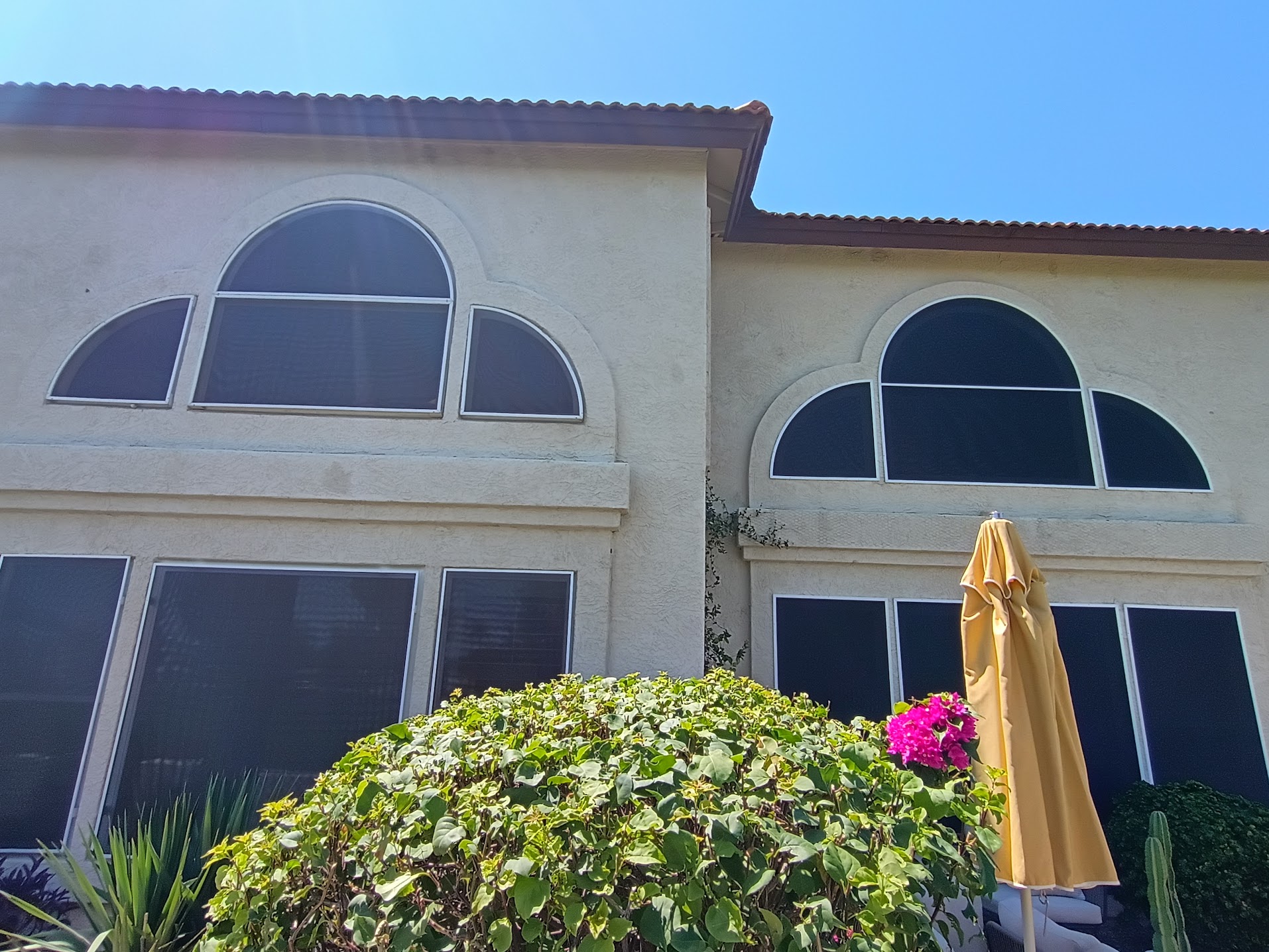
Patio shades pair well with:
- Covered patios and pergolas
- Outdoor kitchens and dining areas
- TV and entertainment spaces
- Poolside seating zones
- Outdoor lounges and fire features
They also fit into broader sun-control plans. Many homeowners shade the patio outside and add solar fabrics for the windows behind your patio indoors where glare and privacy are separate concerns.
Sliding doors can take a third layer when film for patio door glass is added to the glass itself.
How to Maintain Outdoor Patio Shades
Good patio shades are built for outdoor conditions, but regular care keeps them looking and working well. Dust, pollen, and wind-blown debris collect over time, particularly in more active weather. Routine maintenance usually includes:
- Brushing off loose dust and debris
- Using mild soap and water for gentle cleaning when needed
- Letting fabric dry fully before retracting it if it gets wet
- Checking brackets and hardware periodically
- Retracting shades during severe weather when the manufacturer recommends it
Motorized systems do not need heavy upkeep, but they benefit from the same cleaning routine and from following manufacturer guidance.
How to Choose the Right Patio Shade System
The best system matches the space, the exposure, and the way you plan to use the area. A shaded dining patio needs something different from a poolside lounge or a narrow side patio used mostly for privacy. The Pacific Northwest National Laboratory notes that direct beam radiation should be blocked to minimize heat gain and that understanding the sun path leads to more effective shading, so exposure should lead the decision. Start with these questions:
- Which direction does the patio face?
- Is the main problem heat, glare, privacy, or all three?
- Do you want manual simplicity or motorized convenience?
- Will the shades be used daily or only occasionally?
- Do you want filtered visibility or stronger privacy?
- How exposed is the area to wind and weather?
Those answers narrow the options quickly. A system that looks great but does not match the opening, exposure, or usage pattern will not deliver what you want, so measurements, fabric selection, and system design deserve as much attention as appearance. If you are weighing budgets, review typical costs for each system before narrowing your list.
Frequently Asked Questions About Outdoor Patio Shades
What are the benefits of outdoor patio shades?
Outdoor patio shades block harsh direct sun, cut glare, add privacy, and protect furniture, cushions, and finishes from UV exposure. They also reduce the sunlight that reaches nearby windows and sliding doors, which helps adjacent rooms stay more comfortable. The result is a patio you can use for more of the day.
Are motorized patio shades worth it?
In most cases, yes, when the patio is used often. Motorized patio shades are easier to operate on wide or tall openings, let you adjust shade quickly as the sun moves, and can connect to remotes, wall controls, or smart-home systems. Manual shades remain a sound, lower-cost choice for small or occasionally used patios.
Do outdoor patio shades make a patio cooler?
They reduce the direct sun that heats people, furniture, and surfaces, so the space feels more comfortable. The U.S. Department of Energy reports that awnings can cut solar heat gain on nearby windows by up to 65% on south-facing windows and 77% on west-facing windows, which also eases the load on adjacent rooms.
How much privacy do outdoor patio shades provide?
It depends mostly on the fabric. Lower-openness, denser fabrics give stronger screening from neighboring homes, while higher-openness fabrics filter light and keep more of the view. Direction, lighting, and what surrounds the patio also affect how private the space feels, so sample fabrics are worth testing on site.
What are the best outdoor patio shades for Arizona heat?
Exterior roller shades made with UV-resistant, fade-resistant fabric and exterior-grade hardware are a strong starting point. Choose an openness level that balances shade, glare control, and visibility for the direction your patio faces, and size the system carefully to the opening.
Can outdoor patio shades handle Arizona wind?
Quality systems are built for outdoor use, but wind limits vary by product and installation. Follow the manufacturer recommendation to retract shades during strong wind or storms, and ask about wind performance before choosing a system for an exposed patio.
How do I clean outdoor patio shades?
Brush off loose dust and debris, then use mild soap and water for gentle cleaning when needed. Let the fabric dry fully before retracting it, and check brackets and hardware periodically. Motorized systems benefit from the same routine care and from following manufacturer guidance.
Ready to Make Your Patio More Comfortable?
If you want a patio that feels cooler, more private, and easier to enjoy throughout the year, the right shade system can make a major difference. At Colby Window Solutions, we help Arizona homeowners choose exterior shading built for local conditions, whether you are comparing manual and motorized options or deciding what suits your layout.
To get started, you can talk through your patio with our team and compare the options that make the most sense for your comfort, privacy, and sunlight goals.